How to dispose of batteries
Last updated
Alkaline, rechargeable, and lithium-ion batteries are not the same waste. Tape, bags, and the cities that will not take them in the trash.
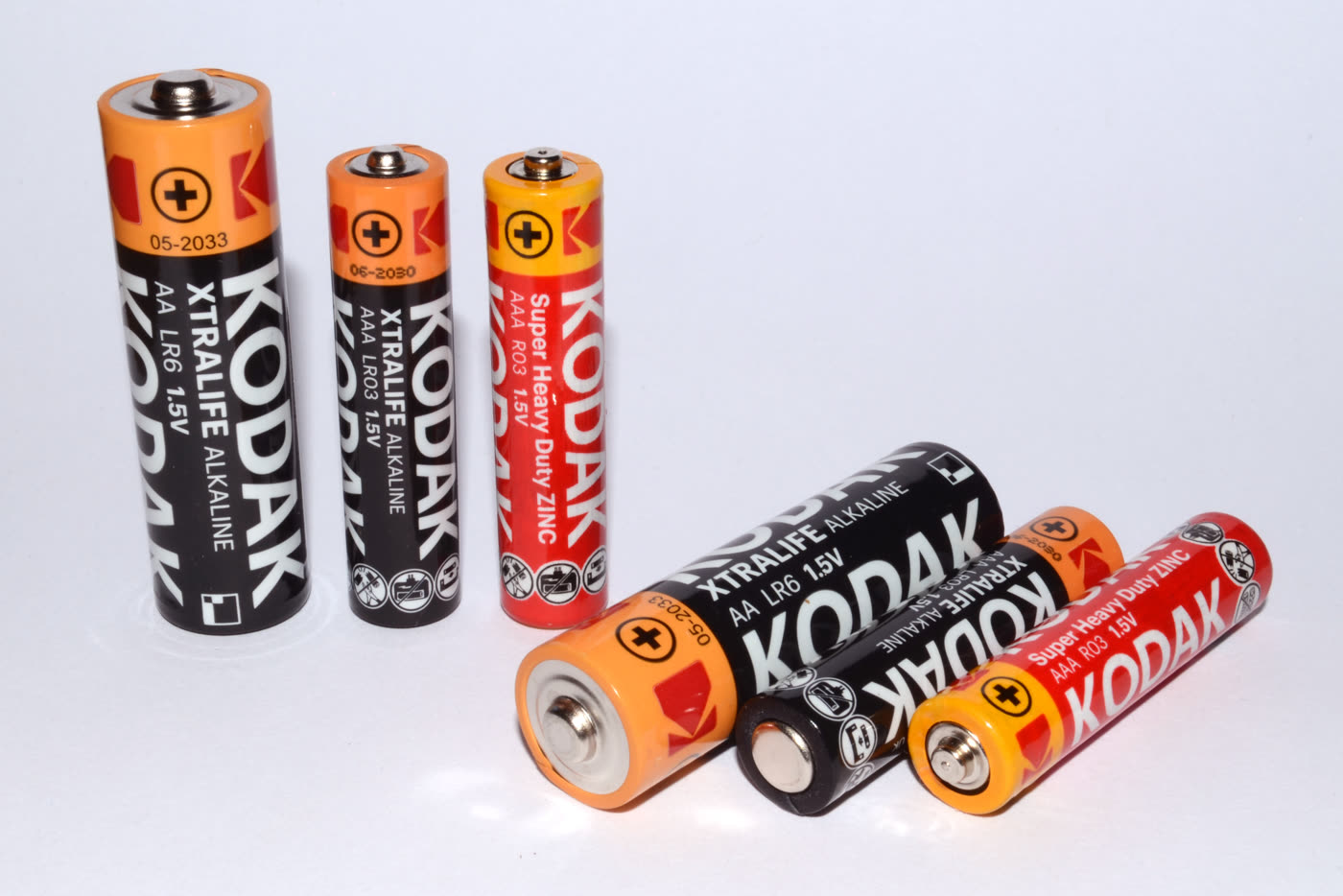
A dead AA cell and a swollen laptop battery are both "batteries," and they are not the same waste. One is a sealed alkaline cylinder that some cities still allow in the trash. The other is a lithium-ion pouch that can short, heat up, and start a fire in a truck. The EPA keeps them on different pages for that reason. Household battery guidance covers alkaline, zinc, and button cells. The lithium-ion page is about rechargeable packs in phones, tools, scooters, and cars, and about the fires. Read the label on the cell before you pick a bin.
Alkaline is the ordinary one, and it is not universal trash
New York’s special waste page says household alkaline batteries can go in the trash, and that the drop-off sites still accept them. It also says alkaline cells should not be bagged or taped. Rechargeable and lithium batteries are the ones that get clear tape or an individual bag. Opaque tape is discouraged because staff need to see the terminal. That is a New York rule. It is not a national permission slip.
Minneapolis lists rechargeable batteries among the materials it will not collect with garbage. The accepted-garbage page does not invite you to toss a drawer of cells in the cart either. Hennepin County’s drop-off, and the Green Disposal Guide, are the local check. Do not assume New York’s alkaline-in-the-trash line applies on a Minneapolis alley.
Seattle would rather have the household cells in a pickup than in the cart. One battery pickup a year is free, then $5, limited to two one-gallon bags per house. Tape the ends. The bag does not include car batteries, e-scooter batteries, or e-bike batteries. Those are a different appointment, usually a hazardous waste facility or a retailer that sells the replacement. Starting April 1, 2026, the free annual pickup is the published policy. We checked in November 2026, so that free visit should be in effect. Confirm in your utility account if the page has moved.
Houston’s environmental service centers list batteries in the miscellaneous section, next to fluorescent bulbs and microwaves. That is a drop-off, not a curbside bag. Proof of address, and the center hours, which are not every day at the north site.
Los Angeles takes batteries at S.A.F.E. centers. The bulky Saturday yard flyer lists batteries as prohibited at the yard. Same department, different door. Do not toss a coffee can of batteries into the mattress drop-off.
Rechargeable and lithium-ion
EPA’s lithium-ion page exists because these cells cause collection-truck and warehouse fires when they are damaged, crushed, or shorted. Terminals that touch each other or a screwdriver in a junk drawer are enough. The prep that shows up on city pages is simple. Tape the terminals, or bag the cells one by one, with tape you can see through if the city says clear tape. New York wants clear tape, not black tape. Seattle wants the ends taped and the rechargeables separated from the alkaline bag.
Austin’s hazardous waste list accepts lithium-ion batteries from laptops or smaller handheld devices. That phrase is a size limit. An e-bike battery, a scooter pack, or a home storage battery is not a laptop cell. Ask before you add it to the porch box. A damaged lithium battery that is hot, hissing, or swollen does not go in any of these bags. Move it away from the house onto concrete or dirt, outdoors, and call the fire department if it is already venting. Do not put it in water as a first move unless a fire department tells you to. Do not put it in the trash to "get it out of the house" by way of the compactor.
Denver’s e-cycle coupon accepts rechargeable batteries and refuses household alkaline button cells in that particular program. The hazardous waste kit is the other door. Read which battery you have. A coupon for televisions is not automatically a coupon for a jar of AA cells.
Car batteries, the lead-acid ones, are a third category. Denver’s public-health page lists them among items prohibited from Colorado landfills. Retailers that sell car batteries often take the old one because they have to. Seattle’s household battery bag excludes them. They are heavy, they leak acid, and they are worth enough as lead that a parts store will usually deal with them. Call the store. Do not set a car battery next to the recycling cart.
Button cells and the small stuff
Watch batteries, hearing-aid batteries, and some key-fob cells are button cells. They are easy to lose in a handful of alkaline AA’s. Some contain mercury or lithium. Keep them separate, tape them so they cannot roll into each other, and take them to a hazardous waste site or a store take-back if one is offered. New York’s special waste sites take batteries and are a reliable door if you live in the city. A child can swallow a button cell. That is a hospital problem, not a recycling problem. Store the spares where a child cannot reach them, and the dead ones in a taped bag, not loose in a junk drawer at hand height.
Devices that still have the battery inside
A phone, a laptop, a toy, a vape, and a power tool are electronics with a battery, or they are a battery with a plastic shell. If the pack comes out, take it out and deal with it as a battery. The rest of the device follows the electronics rule for your city. If the pack does not come out, the whole object is electronic waste, and you still should not crush it. Vapes and e-cigarettes show up on New York’s special waste list specifically. They are lithium devices. They do not go in the trash there.
A drawer of old phones is a small electronics load, not a battery load, once the removable batteries are out. Wipe them first. The battery rule and the data rule are both yours.
Where we did not find a battery sentence
Several city pages we relied on for paint and mattresses never got specific about alkaline versus lithium. When that happened we did not invent a "batteries go in the trash" line. The EPA pages are the national background. The city or county household hazardous waste program is the local door when the sanitation FAQ is silent. Retail take-back at a store that sells the same battery is common and worth a phone call. It is not a program we can promise at every address.
Tape is the habit that travels. Clear tape on rechargeable terminals, cells that cannot touch, no swollen packs in the kitchen trash, and a car battery that goes back to a parts counter. That will not violate the strict cities, and it will not start the loose-battery fire the looser cities are also trying to avoid.
A kitchen drawer is where this goes wrong in practice. People save "good" batteries that are actually dead, toss the swollen one into a jar with the healthy ones, and then dump the jar into a trash bag on moving day. Sort them once. Test the alkaline cells if you have a small tester, or just commit the half-used ones to the taped bag instead of keeping a graveyard. Keep button cells in a separate taped bundle so they do not disappear into the AA pile. Date the bag if you are waiting for a monthly event. A bag that sits for two years in a hot garage can leak. Alkaline cells corrode and crust the terminals. That crust is not dangerous in the way a venting lithium cell is, but it is a mess, and a drop-off attendant would rather see a crusted cell in a bag than loose in a box of paper.
If you are moving, do not pack batteries in the same carton as chemicals, oil, or aerosol cans. The movers and the landfill both treat that carton as a problem. Carry the battery bag yourself to the hazardous waste site or the retailer on the way out of town. It weighs nothing compared with a sofa, and it is the item most likely to be crushed if you leave it to chance in the back of a truck.
Tool packs deserve their own sentence. A cordless drill battery is a lithium-ion pack even when it looks like a black brick. Austin's wording, laptops and smaller handheld devices, may or may not include it. Seattle's household bag excludes e-bike packs and does not give you a cheerful yes for every tool battery either. Tape the contacts, which are often a row of metal pads rather than a button, and ask the hazardous waste desk or the store that sold the tool. Many tool brands take their own packs back. That is the cleanest door when it exists. A no from the brand is not permission to put the pack in the weekly cart. It is a reason to use the city's hazardous waste line and describe the pack honestly.