When your city will not haul it
Last updated
Building-size cutoffs, private haulers, and what to do when the sanitation department does not serve your address.
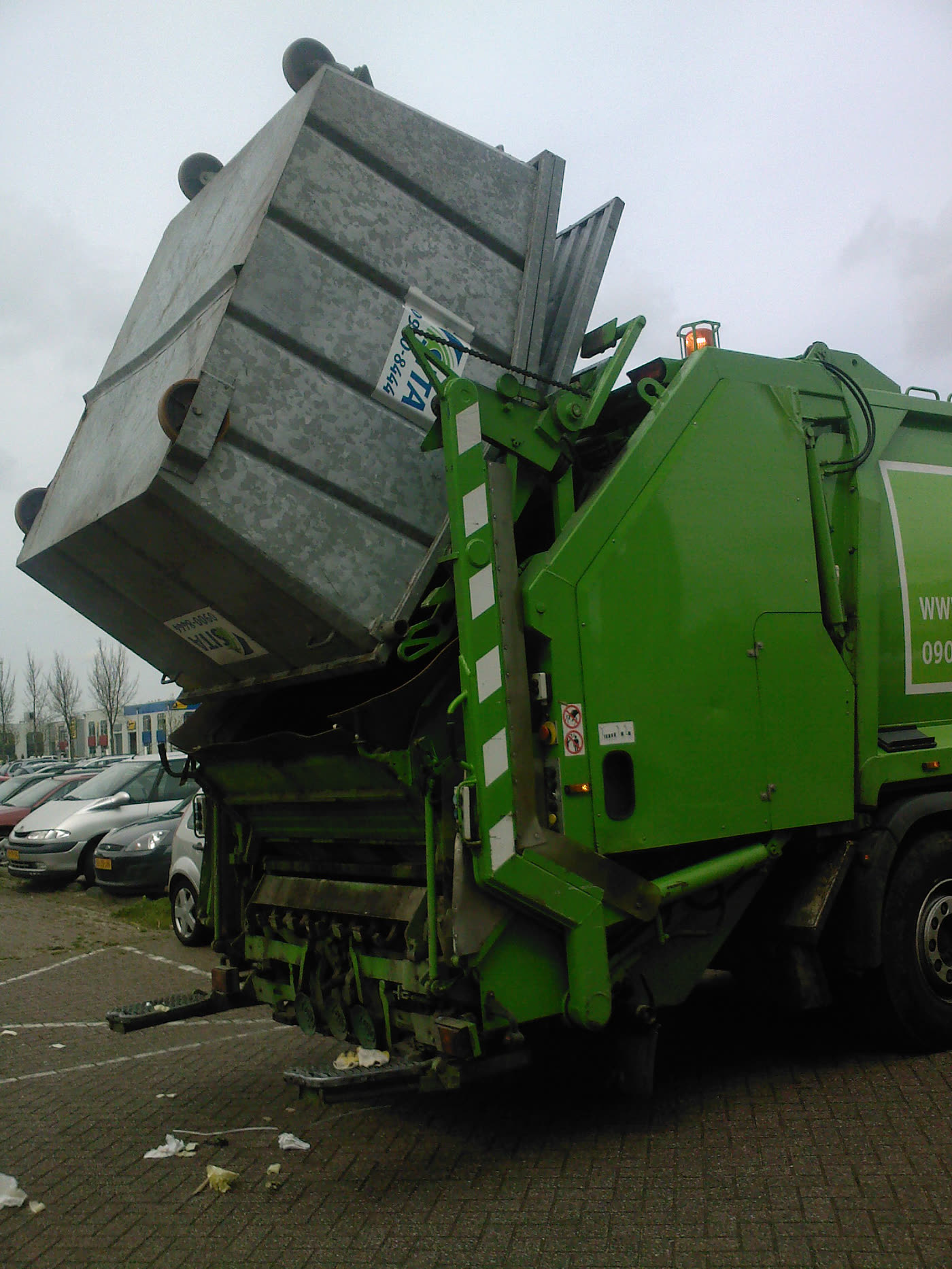
Most of the rules on this site are written for a house or a small building whose trash the city, or the city's contractor, actually picks up. A lot of people do not live in that building. They live in a four-story walk-up, a condo with a dumpster, a house on a private street, or a rental where the landlord holds the only account the hauler will talk to. The truck is not refusing you out of spite. The account does not include you. Here is how to tell, from the cities we checked, and what to do next.
The cutoff is a number of units, and the number moves
Washington, DC will book bulk items only for households that already get DPW trash service. That is single-family homes and buildings with three or fewer units. Four or more, plus condominiums, co-ops, and anything commercial, must use a private licensed hauler. Seven items, an appointment, a wrapped mattress: none of that helps if the building is a four-unit.
Austin Resource Recovery serves single-family homes and properties up to fourplexes. Five units and up hire a private hauler. The three-a-year bulk appointments and the porch hazardous-waste box are for the customers on the city bill.
Philadelphia's bulk program is residential buildings up to six units. Above that, private hauler. Regular trash-day large items, including a wrapped mattress, are described for households the city collects. If a private company does the trash, the city's two-large-items habit may not exist.
Boston's mattress program is for most buildings with six units or fewer. The page also says seven or more have to go through the property manager. Larger buildings are told to hire a mattress hauler. The city even points at a list. The appointment form will reject some addresses. There is a backup form. Use it before you leave a mattress in a stairwell.
Houston's heavy trash stops at buildings with more than eight units. Occupied residences on city curbside service get the even-month collection. A mid-rise does not get a minivan-sized pile at the curb, because the curb is not how that building handles waste.
San Francisco is the most granular. Buildings with five or fewer units get two free bulky collections a year. Each unit in a building with six or more gets one. Ten items. A sign that says RECOLOGY. If you do not know which kind of building you are in, ask the manager before you spend the visit. A tenant who books a pickup the account is not eligible for creates a missed appointment and a mattress in the lobby.
San Diego draws the line at the lot, not only the unit count. City collection is for eligible houses and for lots with up to four homes. Private streets, gated communities, mixed-use buildings, and larger properties are on franchise haulers, paid directly or through rent or HOA fees. The FAQ is blunt that the city does not offer bulky pickup even to the homes it does serve. So a San Diego house and a San Diego condo can both be "no" for different reasons. The house has no bulky program. The condo is not a city customer at all.
The account holder problem
Portland and Seattle will pick up a lot of hard items, and they will bill someone. In Portland the garbage company needs the account holder, which for a rental is usually the landlord. The city tells renters this on the bulky page. Call a week ahead, and do not set the sofa out until the day the company names. In Seattle the charge hits the combined utility bill, so the person on that bill has to authorize a $31 mattress or appliance. A tenant can wash the dishes and still be unable to book the pickup.
Minneapolis is a slight variation. City carts say "property of the City of Minneapolis." If yours do, the two-large-item rule applies, whether a city crew or the contractor Minneapolis Refuse runs the route. If a private hauler's carts are in the alley, the city's sign-and-sticker system is not your system. Look at the cart before you look at the website.
Phoenix bulk and hazardous waste both want a solid waste account. The hazardous waste form asks for the account number from the city services bill. If you cannot find that number, you may not be the customer. Email hhwcollection@phoenix.gov rather than building a box of chemicals for a pickup that will not be scheduled.
What to do when the answer is no
Ask the manager or the HOA who the hauler is, and ask that hauler what a mattress, a refrigerator, and a can of paint cost. Get the price before the truck arrives. A "we'll figure it out" visit is how people pay a premium for a single sofa. Some buildings have a bulk room and a monthly pickup you did not know about. Some have nothing, and the lease forbids leaving items in the hall. Read the lease before you stage a pile. A fine from the building can be faster than a fine from the city.
Retail take-back still works when the city does not. A mattress store that delivers to apartments often has a way to take the old one, because the crew is already in the elevator. An appliance delivery is the same. PaintCare, in the states that have it, does not care whether you live in a house or a high-rise. The store takes the can. Hazardous waste facilities that serve "county residents" rather than "city cart customers" are the other door. Hennepin County, King County's Seattle facilities, and Metro in Portland are examples. Bring proof of the address they require. A facility for households will still refuse a building's maintenance closet full of contractor paint.
Fort Totten in DC, Miramar in San Diego, Tunnel Avenue in San Francisco, and the Houston drop-off centers are self-haul options for people who can borrow a vehicle. They are not a workaround for a property manager who is supposed to have a hauler and does not. A landfill will often take a resident load and will ask what you are. Answer honestly. A renovation done by a contractor is the contractor's debris. Houston prints that. So do a lot of other cities, in the sentence about construction waste.
Private streets and gates
San Diego's FAQ is the one that says it plainly: the city cannot serve homes on private streets or in gated communities, even when the house looks like every other house on the block. The HOA fee is paying a franchise hauler. Your bulky question goes to that company. The city's mattress site at Miramar may still let a city resident drop a mattress, because that program is a recycling drop-off, not a curbside route. Read the residency rule on that page. "Used and discarded in California" is the mattress program's line. It is not a promise that every transfer station in the state will take a non-customer's couch for free.
How to complain without guessing
If the manager says the city will take it and the city website says the building is too big, the website wins. Send the manager the link. If the city scheduler rejects your address and you believe you are eligible, use the city's own fallback. Boston has a form for mattress addresses it cannot find. Austin and Phoenix have phone numbers. Do not set the item out "so they have to deal with it." In Denver, a large item on the wrong week is illegal dumping. In New York, items on the wrong day or in the wrong place can draw enforcement. In a private building, they draw a lease violation and the item is still yours.
Write down what you were told and who said it. Sanitation rules change, and a lease addendum from 2014 is not a collection schedule. The useful sentence to get, from either the city or the hauler, is a day, a price, and a list of what they will not take. Everything else is a sofa in a hallway.
Elevators and loading docks have their own politics. A city that will collect from the curb still will not send a crew through a lobby, and a private hauler may charge extra to come inside. Measure the item against the elevator before you book anything. A king mattress that will not bend is a common surprise. Some crews will only take it if it is already at the loading dock at a named hour. Missing that hour can mean a second trip charge. Put the time in the email to the manager so it is not a conversation you have to recreate from memory.
If you are moving out at the end of the month, start two weeks early. Hazardous waste appointments in Austin are capped at three a year and can book up. Philadelphia's bulk calendar opens a month out and then fills. Denver's large-item day might be eight weeks away, which is useless for a lease that ends Friday. In that case the answer is a private hauler or a self-haul, not a plea to the city to invent a route. Budget for it the way you budget for the truck that moves the rest of the apartment. The sofa is part of the move. Leaving it is not a plan. It is a bill you have not seen yet, from the building or from the city, and sometimes from both.