How to dispose of fluorescent bulbs
Last updated
Fluorescent tubes and CFLs contain a small amount of mercury. Where the cities we checked take them, and what not to do if one breaks.
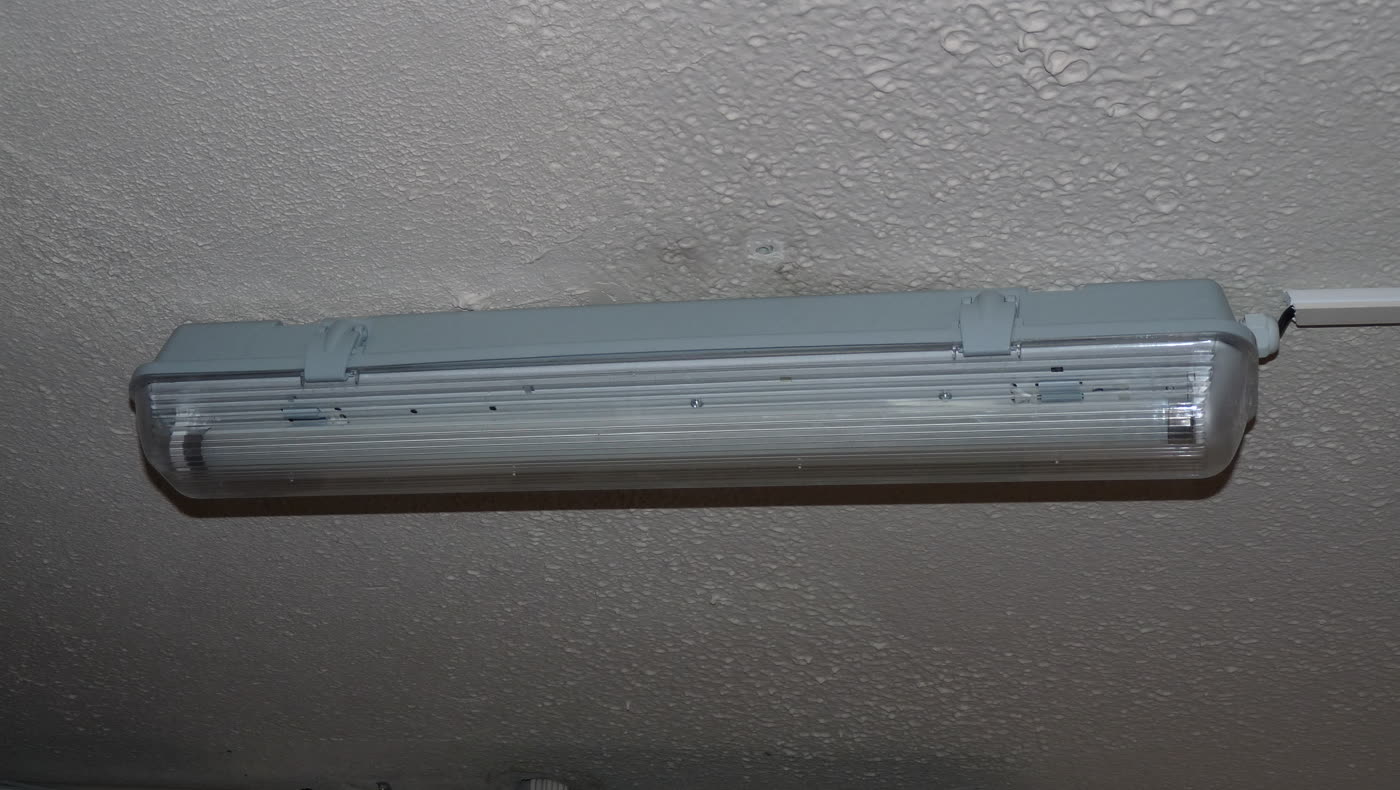
A fluorescent tube and a twisty CFL look like lighting, and they are also a small amount of mercury in a thin glass shell. The EPA's bulb page is the reason they do not go in the ordinary trash in places that have a collection program: the mercury is a problem if the glass breaks in a truck or a landfill, and the bulbs are recyclable when they stay intact. LED bulbs that replaced them are a different object. This guide is about the mercury ones, the tubes and the CFLs, not about a diode lamp.
Intact is the whole game
Every city limit we found assumes the bulb is not already smashed. Seattle's special item rules say no broken bulbs. A one-gallon bag of intact bulbs is the kind of quantity they describe, and broken glass is not that bag. Houston's centers cap you at 10 four-foot bulbs and 6 eight-foot bulbs, plus compact fluorescents in the miscellaneous list. A shattered tube is not a countable bulb. It is a mercury cleanup. Bag the pieces if you can do it without spreading powder, as the EPA cleanup steps describe, and take the bag to a hazardous waste site that accepts mercury devices. Do not vacuum a broken tube as your first move. EPA's bulb guidance says vacuuming can spread the powder. Open a window, leave the room, and use sticky tape or stiff paper for the bits once the room has aired. Read the EPA page for the full sequence before you improvise. We are not rewriting their cleanup steps from memory past that warning.
Do not break a tube on purpose to fit it in a trash cart. You have made a mercury spill in order to avoid a five-minute drop-off.
Where intact bulbs go
New York special waste sites take fluorescent bulbs and CFLs, Tuesday through Saturday, 9 a.m. to 3 p.m., with the paint and the batteries. Residents only.
Los Angeles S.A.F.E. centers list fluorescent bulbs and other mercury items. The bulky truck will not take them. Fluorescent lights are on the curbside prohibited list, next to paint and needles. The Saturday yard is the wrong door too. Use the center.
Minneapolis lists fluorescent lights as illegal at the curb, with hazardous waste and paint. Hennepin County's drop-off facilities are the door. Check the Green Disposal Guide so you know tubes are accepted the week you go. We did not copy hours the county page did not show us.
Austin takes fluorescent bulbs on the hazardous waste appointment, in the porch box, not at the curb, inside the 30-gallon total. That is the same appointment as paint and one-pound propane cylinders. Three times a year.
Houston's cap is the specific one: 10 bulbs up to 4 feet and 6 bulbs up to 8 feet, at the environmental service centers, plus CFLs. An older press release said Westpark also took CFLs. The live ESC page is the one we are citing for the cap. A garage cleanout of forty tubes is more than one visit.
San Francisco's transfer station rate table posted the first 30 tubes or CFLs per month free, then $4.49 each. That is a metered drop-off, not an unlimited one. The hazardous waste facility at the same address is Thursday through Saturday. Bulbs are not a bulky item.
Seattle will pick up a small quantity of intact bulbs as a special item, and the beyond-the-cart events take fluorescent tubes with a length limit around four feet and no broken bulbs. The hazardous waste facilities also list fluorescent tubes. You have more than one legal door. You do not have the trash cart.
Denver's e-cycle coupon refuses fluorescent bulbs. The hazardous waste kit accepts fluorescent bulbs and tubes. Use the kit, or a retail take-back if a hardware store still has a bin. Denver's managing-hazardous-waste page mentions Ace, Home Depot, and Lowe's for CFLs in general terms and names two local recyclers for tubes, one of them for a fee. Call the store. A bin by the entrance can disappear between our check and your visit. Ace is described there as taking CFLs and mercury thermostats, not long tubes.
Philadelphia's hazardous waste events list fluorescent bulbs. The 2026 dates ended in November. The next calendar is the city's to publish. Do not store a broken tube until next spring if you can get it to a site sooner. An intact tube can wait in a box, labeled, where it will not be crushed.
Portland's Metro hazardous waste desks take fluorescent bulbs with the paint and the batteries, free for households up to the 35-gallon container limit. A tube is not 35 gallons. A crate of them might push a facility's practical limit. Call 503-234-3000 if you have more than a household closet.
Mercury thermometers and thermostats
Bulbs are not the only mercury item in a house. Thermometers and old thermostats show up beside them on hazardous waste lists in Los Angeles, Austin, Denver, and Houston. Houston names mercury thermostats and thermometers. Denver's paint-and-hazard page mentions thermostat recycling at some retailers and says a broken thermostat is not a retail drop-off. Leave mercury switches in the thermostat rather than prying the ampoule out. San Diego prints that instruction for its facility. A loose bead of mercury is a spill, not a recycling item you made more convenient.
LED bulbs
An LED that burned out is not a fluorescent tube. It does not contain the same mercury vial. Some cities treat LEDs as ordinary trash or as small electronics. We did not find a single rule across the cities we checked, so we are not declaring one. If the bulb is a curly CFL or a straight tube, use the mercury path above. If it is a diode lamp, ask, or use the electronics option if your city folds small electrical devices in with e-waste. Do not put a CFL in the trash because an LED is allowed. The shape is the clue. Tubes and spirals with a ballast are the mercury ones.
Buying the last tube
If a fixture still needs a tube, the last purchase is also the last disposal. When the fixture dies, replace it with an LED fixture if you can, so the next failure is not another mercury tube. That is practical, not a slogan. The tubes you already own still need the drop-off. Throwing the fixture out with the tubes inside is how mercury ends up in a bulky pile. Take the tubes out, keep them intact, and recycle them on their own.
Stores sometimes collect CFLs at a bin near the light aisle because they sold them. That is a courtesy or a state requirement, depending on where you are. It is worth using when the bin is actually there. It does not replace a hazardous waste site for a broken bulb or a long 8-foot tube the store never sold. Houston's cap on 8-foot bulbs exists because those tubes are awkward and because a store bin is not built for them.
Keep unbroken tubes in the original sleeve or in a rigid box. A trash bag of bare tubes in a trunk is a break waiting for a pothole. Label the box "fluorescent" so nobody tosses it into the weekly cart on cleaning day. Then take the box on the trip you were already making for paint, if your city combines those, or on the bulb-specific trip if it does not. Seattle, Houston, Los Angeles, and San Francisco all give you a real door. Use it before the glass does the deciding.
Ballasts are the other piece people forget. Older fluorescent fixtures, the ones that hummed, sometimes contain a ballast that is a separate waste from the tube. If you are taking a whole shop light down, the tubes come out first and go in the bulb box. The fixture body may be scrap metal or electronic waste depending on the city. Do not assume the hazardous waste desk wants a four-foot metal troffer in the same line as a box of tubes. Ask. A household with two kitchen CFLs does not have this problem. A household that just gutted a basement workshop does. Count the tubes against the cap before you load the car. Houston's 10-plus-6 limit is easy to hit in one room of a shop. A second trip is dull and legal. A smashed box in the parking lot is neither.
If a tube breaks in the car, do not keep driving to the facility and shake the glass out at the attendant's feet. Park, air the car, and follow the same no-vacuum approach you would use in a room. Tell the facility what happened when you arrive so they can take the contained debris as mercury waste rather than as a recycling tube. Staff would rather hear that sentence than discover powder in a trunk. And if you are storing tubes for a spouse or a parent who saved every spare "just in case," the case has passed. Those spares are waste now. Box them, label them, and take them on the next open day. A closet full of unused 4-foot tubes is not a supply. It is a future break.